
How Lifely turned home tours into a content series people actually watch
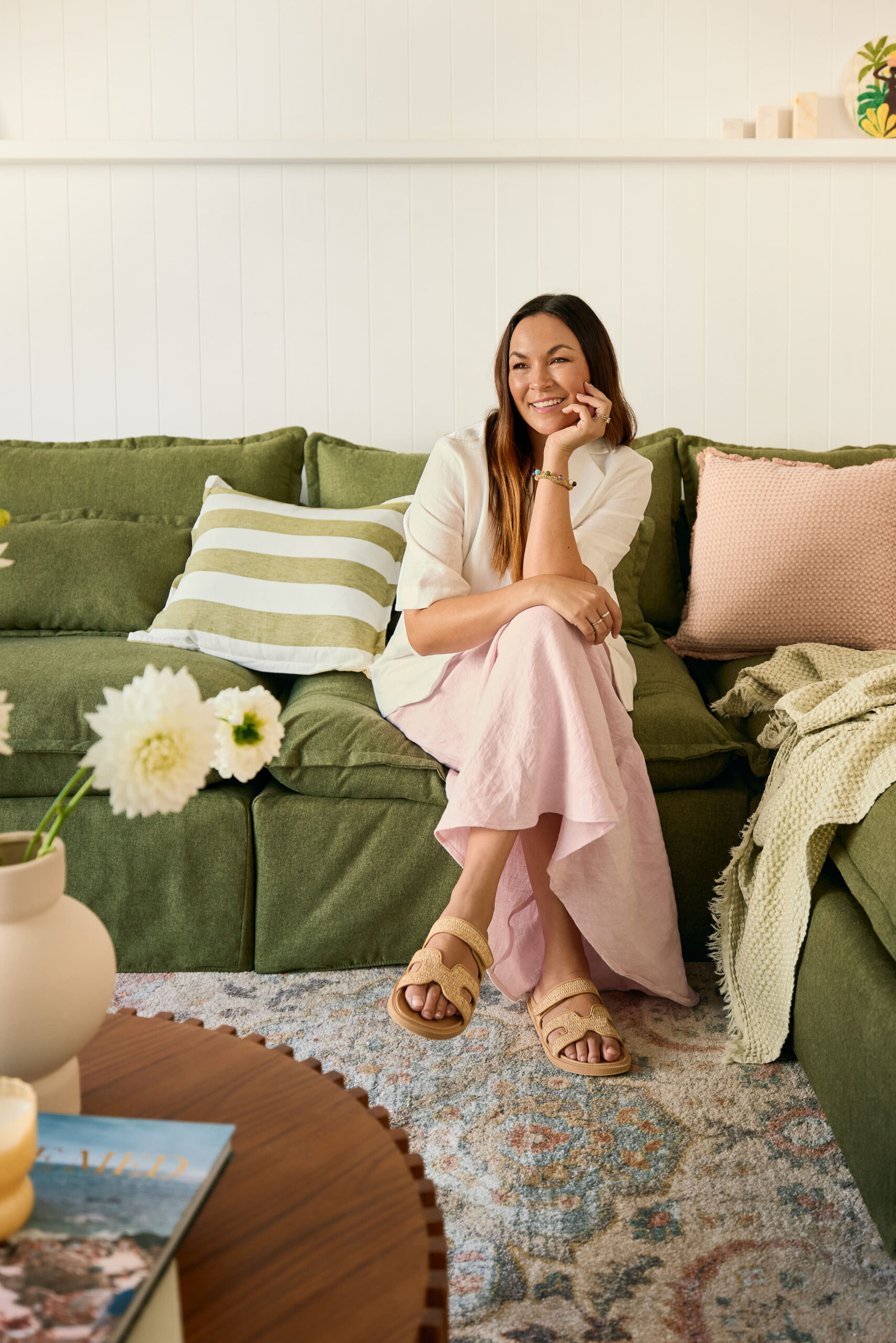
Short answer: Day in the Lifely is a recurring home-tour series Melbourne Social Co created for Australian furniture brand Lifely. Each episode follows an influencer through their own home, styled somewhere between Architectural Digest and Instagram. The homes are filled with Lifely furniture before the shoot, and the influencer lives with it first, so by the time the camera rolls they're showing off a home they actually use, not a set. It works because it's a show people want to watch, with the product as part of the story rather than the point of it.
Furniture is a hard thing to sell on social. Nobody wants to watch a sofa sit still. Product shots on white backgrounds are useful on a website, but in a feed they're wallpaper. Lifely's challenge was the same one most product brands have: how do you make people care about the thing before they're ready to buy it?
What is Day in the Lifely?
It's a hero video series built around a simple, repeatable format. An influencer welcomes us into their home and walks us through it: the rooms they love, how they actually live in the space, the bits that make it theirs.
The look borrows from the celebrity home tours people already binge, then brings it down to the scale of a real Australian home. It's polished enough to feel aspirational, but personal enough to feel like you've been invited over.
And the Lifely furniture isn't staged on the day. It goes in beforehand, and the influencer lives with it. When they talk about their sofa or their dining table, they're talking about something they've sat on, spilled on and had friends over around.
Why do home tours work as branded content?
People already love them. Home tours are one of the most rewatched formats on social. We didn't have to teach the audience a new format; we just had to make a great version of one they already enjoy.
The product is in its natural habitat. Furniture makes sense in a home, with light coming in and someone's life around it. A tour shows scale, texture and how pieces work together far better than a product page can.
Real use reads as real. Because the influencer lives with the furniture before filming, their reactions and stories come from experience. Audiences can tell the difference between someone reading product features and someone who genuinely likes their couch.
It borrows trust. The audience comes for the person and their home. The brand gets to be part of something people chose to watch.
What makes an episodic content series work for brands?
A one-off video has to win attention from scratch every time. A series builds it up. Here's what we've learnt from building series like Day in the Lifely:
1. A format you can explain in one line. "An influencer tours their home, filled with Lifely furniture." If the idea needs a paragraph, it's hard to repeat.
2. The same bones, a different story each time. The structure stays put (the intro, the walk-through, the favourite room) while the person, the home and the style change. That's what makes people come back for the next one.
3. A name people can remember. A series title gives the content an identity beyond "another brand post", and gives the audience something to look for.
4. The product earns its place in the story. If you'd cut the brand out and the video would still be good, you're on the right track. If the video only works as an ad, it'll be watched like one.
5. One shoot, many pieces. A hero episode can feed weeks of social: room-by-room cut-downs, styling tips, behind-the-scenes clips, quotes from the host and paid social variations with different hooks.
6. Real people, real homes. The series works because it isn't a set. The more of the real person's life comes through, the better it lands.
Can this approach work outside furniture?
Yes. The format changes but the thinking holds. A skincare brand could follow real routines. A food brand could visit real kitchens. A hospitality brand could hand a creator the keys for the weekend. The questions are the same: what format does your audience already love, and how does your product genuinely fit into it?
What's next for branded content series?
As AI makes it easier to produce polished content at volume, the things a machine can't make (real people, real homes, real opinions) are going to stand out more. It's one of the five shifts in our 2027 outlook report, The Real Thing: Social in 2027.
Download The Real Thing: Social in 2027 →
FAQs
Who created Day in the Lifely?
Day in the Lifely was created by Melbourne Social Co for Lifely, an Australian direct-to-consumer furniture brand.
What makes a good furniture brand social media strategy?
Show the product being lived with. Home tours, styling content, real customer homes and recurring series tend to outperform static product shots, because people buy furniture by imagining it in their own space.
What is an episodic content series?
It's a set of videos that share a format, title and structure, released over time. Like a show, each episode stands on its own, but the familiar format gives people a reason to come back.
Do influencer home tours need to be paid partnerships?
If the influencer is paid or gifted product, yes, it needs to be disclosed clearly under Australian advertising rules. Transparency doesn't hurt good content; audiences are used to it.
How long does it take to produce a branded content series?
It depends on the format, talent and number of episodes. For a home-tour series, allow time for the product to be installed and lived with before the shoot, as that's what makes the content feel real.
Melbourne Social Co is an Australia-wide social-first creative agency, making content for brands since 2011. Talk to us about building a series for your brand.
